Renting Section 8 Homes: Pros, Cons & How to Get Started
What Does It Mean to Rent a Section 8 Home?
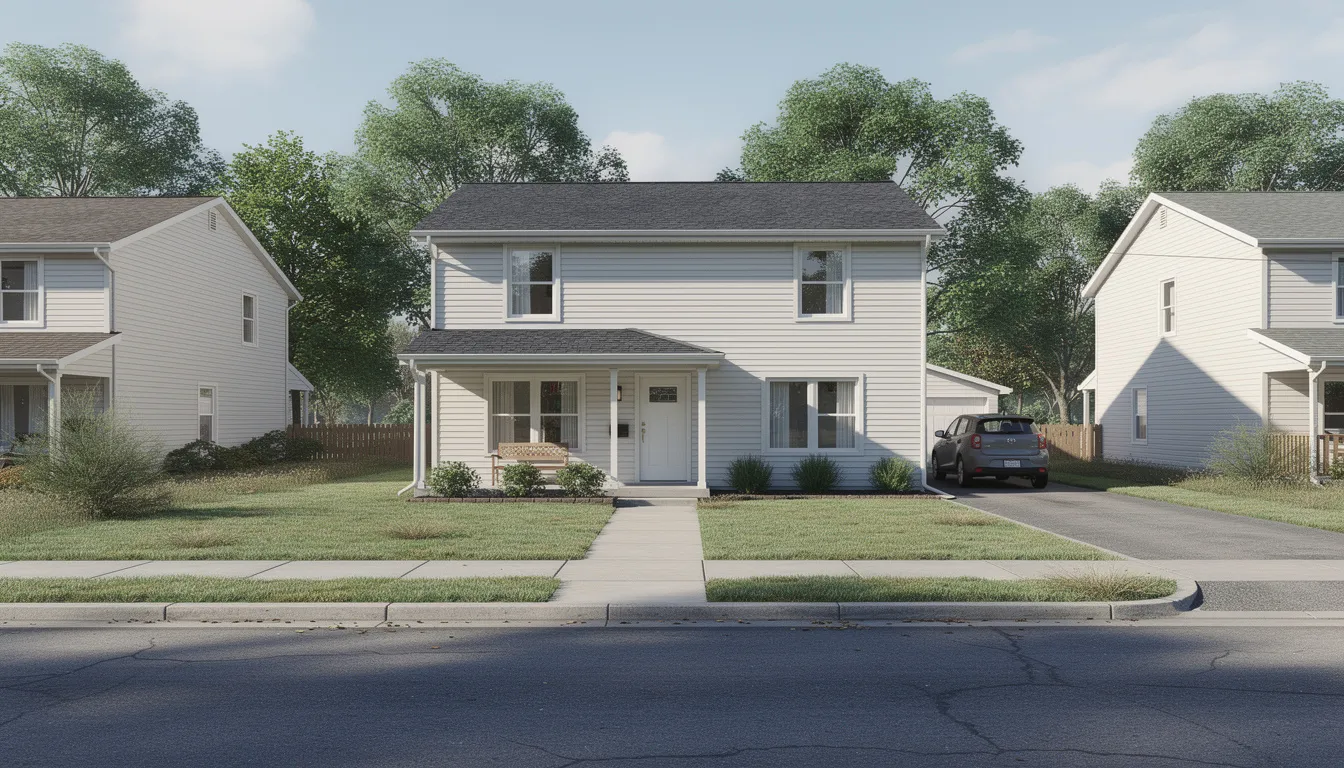
Section 8 homes are privately owned rental properties leased to tenants who hold Housing Choice Vouchers administered by local public housing authorities. Unlike the older project-based public housing model where government agencies built and managed large apartment complexes, the voucher program lets eligible families choose units in the private market—from single-family homes to duplexes to garden apartments—giving them flexibility while channeling federal housing assistance through existing inventory.
HUD sets the national rules, but over 2,000 public housing agencies across the country handle the day-to-day work: verifying tenant eligibility, issuing vouchers, conducting inspections, and sending monthly rent money directly to landlords. Major agencies like the NYC Housing Authority, Chicago Housing Authority, and LA City PHA each manage tens of thousands of vouchers, while smaller rural agencies might oversee just a few hundred.
Here’s how the payment split typically works in 2024: tenants contribute about 30% of their adjusted monthly income toward their monthly rent, and the local housing authority covers the rest up to a “payment standard” set for the area. If a voucher holder earns $1,500 per month after deductions, they might pay around $450, with the PHA covering $900 or more depending on local limits.
The scale is substantial. With over 2 million vouchers issued nationwide and another 1+ million units covered by legacy project-based contracts, federal rental assistance touches millions of American households—concentrated heavily in high-cost metros and older industrial cities where affordable housing is hardest to find.
This guide is designed to help landlords and small real estate investor types decide whether renting Section 8 homes fits their strategy. We’ll walk through how the program works, weigh the pros and cons, and outline the step-by-step process for becoming a section 8 landlord.
How Section 8 Housing Works for Landlords
The basic flow looks like this: a tenant gets a voucher from their local PHA, then searches for a qualifying rental unit. Once they find a willing landlord, the property owner submits paperwork to the PHA. The unit passes an inspection, both parties sign a lease agreement, and the landlord signs a Housing Assistance Payments contract with the PHA. Then payments begin.
Two contracts govern every Section 8 tenancy. First, there’s the private lease between landlord and tenant—a standard rental agreement covering rent amount, term, rules, and responsibilities. Second, there’s the housing assistance payments contract between the landlord and the PHA, which guarantees the subsidy portion and spells out each party’s obligations to the federal program.
Section 8 is tenant-based: the voucher is attached to the family, not the property. If a voucher holder moves out, the subsidy goes with them, unlike the older project-based contracts from the 1970s and 1980s where subsidies were tied to specific buildings for 20-year terms.
Private landlords still set their own screening criteria. You can evaluate credit, verify monthly income, check eviction history, and contact landlord referrals—just as you would with any potential tenants. The key constraint is that your criteria must be applied consistently to all applicants, and in many jurisdictions, source-of-income protection laws prohibit rejecting someone solely for using a voucher.
Fair Market Rents and payment standards determine how much a PHA can approve for a given unit size in a specific area. These numbers vary widely—from under $900 for a 2-bedroom in a rural county to $2,500+ in expensive coastal metros.
The Role of Public Housing Authorities (PHAs)
Local public housing agencies are the operational backbone of the voucher program. When a family applies for housing assistance, it’s the local public housing authority that verifies their household income, family size, citizenship status, and other eligibility factors. Once approved, the PHA issues a voucher specifying how many bedrooms the family qualifies for and how long they have to find a unit.
For landlords, PHAs handle several critical functions:
Scheduling and conducting HQS inspections at move-in and annually thereafter
Reviewing and approving proposed rent amounts through “rent reasonableness” tests
Processing HAP contracts and setting up direct deposit payments
Handling mid-lease inspections if tenants or neighbors file complaints
Processing rent increase requests (usually annually, 60 days before lease anniversary)
PHAs also set local payment standards, which typically range from 90% to 110% of HUD-published FMRs. These caps determine the maximum the PHA can pay for a one-, two-, or three-bedroom home in their jurisdiction.
Here’s what the process might look like in practice: A landlord in Cook County, Illinois, lists a 2-bedroom home for $1,400/month in early 2025. A voucher holder applies, and the landlord submits paperwork to the local PHA. The agency reviews the proposed rent against comparable unassisted units nearby, schedules an inspection, and—if everything checks out—approves the tenancy within 3-4 weeks. The landlord then receives roughly $950-$1,000 from the PHA each month, with the tenant paying the remainder.
What “Rent Reasonableness” and FMR Mean in Practice
HUD’s Fair Market Rents are updated annually and roughly represent the 40th percentile rent for typical units in a metro or county. Think of it as the rent level where 40% of comparable units rent for less and 60% rent for more. For 2024, a 2-bedroom FMR in a mid-sized Midwest city like Columbus, Ohio might be around $1,300, while the same unit in San Francisco could exceed $2,800.
When you submit a proposed rent to the PHA, they conduct a “rent reasonableness” test. Here’s what that involves:
Comparing your unit to similar unassisted rentals nearby
Evaluating age, size, condition, and amenities
Checking location factors like school quality, transit access, and crime rates
Ensuring your asking price doesn’t significantly exceed comparable units
You can’t simply set any rent you want. Even in hot markets, Section 8 rents for a luxury unit may be capped well below open-market potential. A 3-bedroom single-family home in a working-class neighborhood might be fully covered at $1,450/month, while a luxury downtown loft asking $2,400 might only get approved at $1,700—leaving a gap the tenant must cover or prompting the deal to fall through.
Pros of Renting Section 8 Homes
Many small landlords in cities like Cleveland, St. Louis, and Birmingham have built successful portfolios around Section 8 tenants. The combination of reliable payments, strong demand, and lower vacancy rates makes the program attractive—especially in low- to mid-priced neighborhoods where market rents align closely with local FMRs.
The financial benefits are most pronounced when your investment property sits in the program’s sweet spot: decent housing in working-class areas where the payment standard covers most or all of your asking rent.
Assured & Predictable Rent Payments
In most markets, PHAs cover 60-70% of contract rent directly to the landlord every month via ACH deposit. This isn’t quite guaranteed rent payments in the fullest sense—you’re still responsible for collecting the tenant’s rent portion—but it dramatically reduces the risk of complete non-payment.
The payment schedule is predictable. Most housing authorities deposit between the 1st and 5th of each month, which helps property owners budget for mortgages, property taxes, and insurance without the feast-or-famine uncertainty that sometimes comes with market-rate rentals.
During economic shocks, this reliability becomes even more valuable. Throughout the 2020-2021 pandemic, federal subsidy payments generally continued even when market renters struggled with unemployment and rent freezes. Many Section 8 landlords found their income more stable during that period than landlords relying entirely on market tenants.
One practical note: you’ll need to track both payment streams. The PHA portion arrives automatically, but you must still enforce the lease for the tenant’s share—typically 30-40% of their monthly income.
High Tenant Demand & Lower Vacancies
Long voucher waitlists translate into a steady stream of pre-approved renters actively searching for eligible homes. In cities like San Francisco and Boston, waitlists have been closed for years because demand so dramatically exceeds supply. In practical terms, this means landlords who accept housing vouchers often face less competition for quality tenants.
Where to find voucher holders looking for housing:
AffordableHousing.com and GoSection8 (voucher-focused listing platforms)
Local PHA listing boards and bulletin boards
Craigslist with “Section 8 welcome” in the listing
Word-of-mouth referrals from existing Section 8 tenants
In lower-cost zip codes, it’s common for vacant Section 8 homes to receive multiple inquiries from qualified voucher holders within days of listing. A 3-bedroom rental near downtown Columbus, OH, listed at $1,350, might have three or four voucher families scheduling showings within the first week.
High demand means fewer months of zero rent and smoother transitions between tenants compared to higher-end market-only rentals that might sit vacant for 45-60 days between occupants.
Rent Increases and Long-Term Stability
PHAs generally allow landlords to request rent increases annually, typically requiring 60 days’ notice before the lease anniversary. The PHA then reviews the request against updated FMRs and current rent reasonableness standards for comparable units.
In some mid-range neighborhoods, approved Section 8 rents can actually meet or slightly exceed what comparable non-subsidized lower income tenants are currently paying—particularly when local market rents have softened but FMRs haven’t adjusted downward yet.
Voucher holders often stay for multiple years. Finding another approved rental unit in the same school district or city is genuinely difficult given limited supply, which creates strong incentives for tenants to maintain good standing. This reduces tenant turnover, which in turn reduces make-ready costs, leasing commissions, and vacancy losses.
Consider a real-world example: A landlord holds a 2-bedroom duplex unit from 2019-2025 with the same Section 8 family. Over those six years, rent increases from $1,100 to $1,280 through small annual adjustments aligned to local HUD guidelines. The landlord spends nothing on advertising, turnover repairs, or lost rent during that period—a significant advantage over comparable market-rate units that might turn over 2-3 times.
Free or Low-Cost Marketing Support
Once you submit a Request for Tenancy Approval, many PHAs actively help promote your listing to families with active vouchers. This built-in marketing support reduces or eliminates paid advertising on general listing sites.
Common free resources include:
Local PHA rental listing databases
Bulletin boards in PHA lobbies
Regional housing authority newsletters
National portals like AffordableHousing.com (free or low-cost listings)
Landlord outreach programs in cities with strong PHA engagement
Your listing should emphasize factors voucher families prioritize: safety, property condition, proximity to schools, job centers, and public transit. Professional photos and clear descriptions of bedroom count, utility responsibilities, and pet policies help qualified applicants self-select quickly.
Social Impact & Community Benefits
Renting Section 8 homes directly contributes to easing the affordable housing crisis. You’re providing decent housing to families who might otherwise struggle to find safe, stable places to live—including families with children, seniors on fixed incomes, and people with disabilities.
A 3-bedroom single-family home rented to a voucher-holding family in 2024 might keep children in the same school district, close to their extended family and established support networks. Research consistently shows that stable housing improves educational outcomes, job retention, and community cohesion.
For property owners who value impact investing or want their portfolio to align with community-focused goals, Section 8 offers a way to earn reasonable rental income while providing meaningful financial assistance to vulnerable populations. It’s not charity—you’re running a business—but the work serves a genuine social purpose alongside the financial benefits.

Risks & Drawbacks of Renting Section 8 Homes
Section 8 is not “free money.” Landlords take on extra compliance obligations, slower onboarding timelines, and potential limits on rent growth compared to market-rate leasing. The voucher program doesn’t guarantee tenant behavior—normal landlord duties like tenant screening, property inspections, and lease enforcement remain essential.
Understanding these drawbacks upfront helps you prepare and decide whether the trade-offs make sense for your situation.
Bureaucracy, Paperwork & Red Tape
New landlords must complete multiple forms to participate:
Request for Tenancy Approval (RFTA/RTA)
W-9 for tax reporting
Direct deposit authorization
HAP contract
Local addenda (varies by PHA)
Each new voucher tenancy triggers a review and approval cycle at the PHA. In understaffed offices—which describes many PHAs in 2024—processing can feel slow. Phone calls go unreturned, emails sit in queues, and simple questions sometimes take days to resolve.
Practical coping strategies help:
Set up an organized digital folder for each property
Create a checklist for each new Section 8 lease-up
Keep copies of all correspondence and approvals
Note contact names and confirmation numbers
The good news: once you’ve completed the process a few times, the paperwork becomes routine. The initial learning curve is the steepest part.
Initial Delays & Cash Flow Gaps
Budget for 30-60 days from tenant approval to receipt of the first PHA payment. This delay accounts for inspection scheduling, potential re-inspections, contract processing, and PHA administrative timelines.
During this period, you’re carrying mortgage payments, property taxes, insurance, and utilities without subsidy income. If the unit fails its initial inspection—due to missing handrails, non-working smoke detectors, or chipped paint in a pre-1978 home—that first payment gets pushed even further out.
For landlords turning over a unit to a new Section 8 tenant in 2024-2025, plan for 1-2 months of zero rent income at each turnover. Once stabilized, payment timeliness generally improves, but the initial ramp-up is the most fragile period for cash flow. Keep reserves accordingly.
Inspection Requirements & Potential Abatement
How to Rent Out a Home to Section 8 Tenants: Step-by-Step
The process follows a consistent pattern nationwide: prepare your property, connect with a voucher holder, submit paperwork to the local PHA, pass inspection, finalize agreements, and begin collecting rent. Specific forms and timelines vary by PHA, so always check current requirements on your local housing authority’s website.
Step 1: Prepare Your Property to Meet HQS Standards
Before working with any voucher holder, ensure your home is safe, code-compliant, and free of obvious HQS violations. Addressing problems before inspection scheduling shortens the time between application and first payment.
Pre-inspection checklist:
Working stove and refrigerator
No exposed wiring or electrical hazards
Secure handrails on all stairs with four or more risers
Windows that open, close, and lock properly
No active leaks or water damage
No visible mold
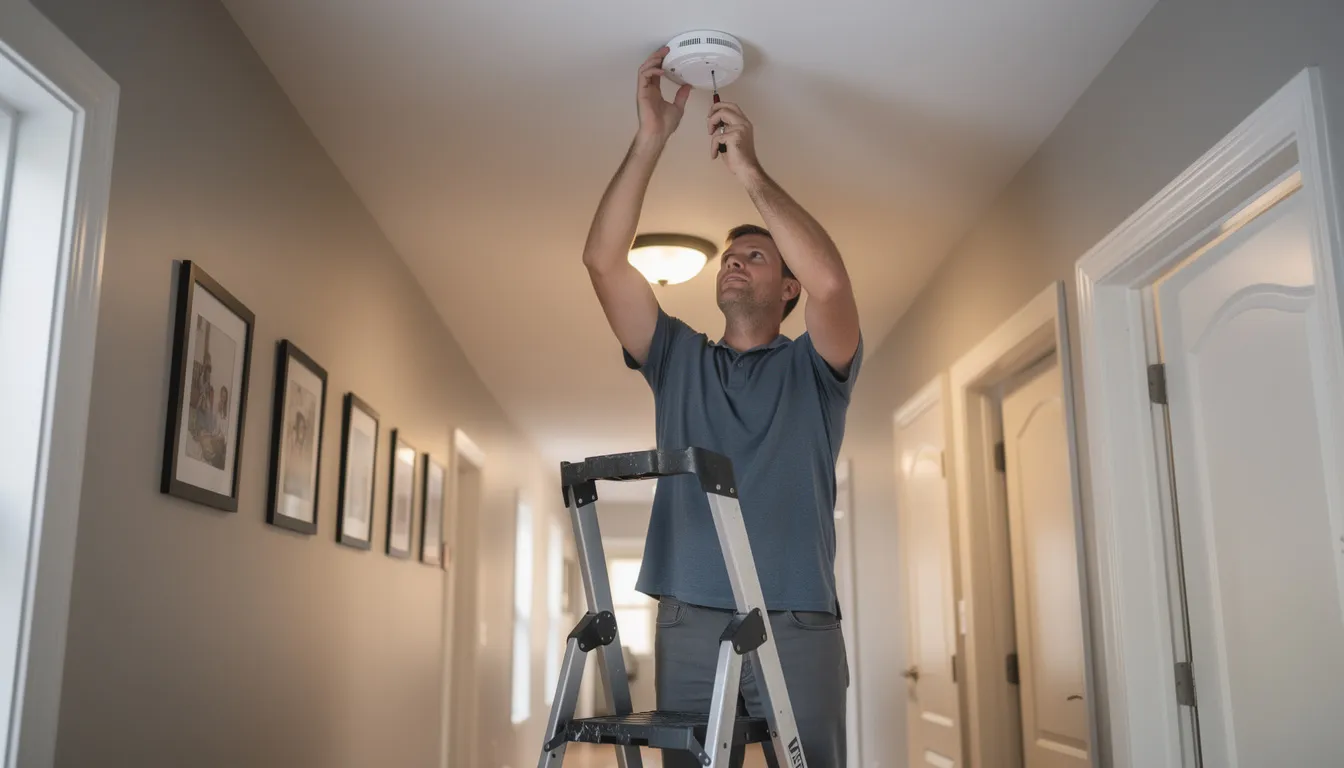
Working smoke detectors on every floor
CO detectors where required by local code
Secure exterior door locks
In pre-1978 homes, peeling or chipping paint—especially around windows and doors—triggers automatic fails due to lead-based paint rules. Address these issues before scheduling anything.
Many PHAs publish sample HQS checklists on their websites. Philadelphia, Phoenix, and Houston all provide downloadable inspection guides. Review one before your inspector arrives.
Step 2: Connect with Voucher Holders and PHAs
Reaching voucher holders requires some intentional marketing, but the effort is minimal compared to traditional advertising:
List units on AffordableHousing.com or GoSection8
Use local PHA listing services (many are free)
Post on Craigslist with “Section 8 welcome” in the title
Leverage word-of-mouth with existing tenants
Some PHAs host landlord orientation sessions or quarterly information meetings where property owners learn program rules and meet staff. These sessions are worth attending—they help you understand expectations and make contacts for faster problem resolution later.
When potential tenants inquire, ask for a copy of their voucher showing bedroom size, expiration date, and PHA contact information. Verify directly with the PHA that the voucher is active and clarify any deadlines the tenant is facing.
Here’s what this looks like in practice: A landlord in 2024 lists a 3-bedroom home in a working-class neighborhood on GoSection8 and Craigslist. Within a week, four voucher families have scheduled showings. Two submit applications. The landlord verifies voucher status with the PHA, screens both applicants, and selects the family with stronger landlord referrals and cleaner eviction history.
Step 3: Screen the Tenant Like Any Other Applicant
Landlords retain full authority to screen voucher holders using written criteria applied equally to all applicants. The PHA doesn’t guarantee tenant behavior, housekeeping quality, or on-time payment of the tenant’s share—that’s your job.
Standard screening elements:
Rental application form
Photo ID verification
Credit check and background check (with applicant permission)
Rental history verification
Landlord referrals from previous addresses
Income verification (voucher plus any employment income)
Apply your criteria consistently. A tenant screening process that requires 600+ credit scores for market-rate applicants but waives that requirement for voucher holders creates fair housing liability. The same standards apply to everyone.
In cities or states with source-of-income protections—including New York, Washington D.C., and parts of California—you cannot reject someone solely for using a voucher. But you can absolutely deny applicants with poor credit, recent evictions, or unverifiable rental history, provided those standards are documented and consistently applied.
Treat this seriously. Tens of thousands of dollars of property value are at stake over the life of every tenancy.
Step 4: Submit the Request for Tenancy Approval (RFTA/RTA)
Once you’ve selected a voucher holder, complete the PHA’s Request for Tenancy Approval form. This document includes:
Property address and unit number
Proposed rent amount
Utility responsibility breakdown (who pays electric, gas, water, trash)
Unit size (bedrooms)
Landlord contact information
Both landlord and tenant must sign the RFTA before submission. The form is usually downloadable from the local PHA website.
The PHA uses this form to begin internal review of rent reasonableness, payment standard fit, and inspection scheduling. Incomplete or inaccurate forms—missing unit numbers, incorrect utility responsibilities, illegible handwriting—are common causes of processing delays.
Double-check all numbers before submitting. Keep a copy of the completed RFTA along with the date it was emailed or hand-delivered. If questions arise later, you’ll have documentation.
Step 5: Pass the Housing Quality Standards (HQS) Inspection
The PHA schedules an initial inspection, typically within 1-3 weeks of receiving the RFTA, depending on staffing levels and local volume. You’ll receive a date and time window—make sure someone is present to provide access.
Before inspection day:
Turn on all utilities (electric, gas, water)
Ensure all rooms are accessible
Check that every outlet, appliance, window, and faucet functions properly
Verify smoke detectors have fresh batteries
Clear access to attic, basement, and mechanical systems
Common fail items include broken windows, non-working smoke detectors, missing handrails on steps with four or more risers, trip hazards, and inoperable locks on exterior doors.
If the unit fails, the PHA issues a written report listing deficiencies and schedules a re-inspection once repairs are complete. Each failed inspection pushes your first payment further out.
Attend the inspection when possible, or have a knowledgeable property management representative present. Hearing feedback directly from the inspector helps you understand expectations and ask clarifying questions about borderline issues.

Step 6: Finalize Rent, Sign the Lease & HAP Contract
After the unit passes inspection and the PHA approves your rent, the landlord and tenant sign a lease that complies with PHA requirements—typically 12 months for the initial term.
The landlord then signs the housing assistance payments contract with the PHA. This document specifies:
Total contract rent
PHA subsidy amount
Tenant’s portion
Effective date
Obligations of landlord and PHA
The lease typically starts on the first of a month, with PHA payment beginning on that date or shortly thereafter depending on processing cycles.
Provide tenants with clear instructions on how and when to pay rent—their portion, payment methods accepted, late fee policies—and how to submit maintenance requests. Clear communication prevents misunderstandings.
Keep signed copies of the lease, HAP contract, and PHA approval letter in a secure digital and physical file. You’ll need these documents for annual recertifications, rent adjustments, and any disputes that arise.
Legal & Local Considerations When Renting Section 8 Homes
Section 8 operates under federal law but is heavily shaped by state and local rules. Fair housing requirements, source-of-income protections, and eviction procedures vary significantly across jurisdictions. What works in Texas may create legal problems in New York.
Do Landlords Have to Accept Section 8 Tenants?
Under federal law, participation in Section 8 is voluntary. Landlords can choose not to accept housing vouchers without violating HUD regulations.
However, many states and cities treat vouchers as a protected “source of income.” In these jurisdictions—including New York City, Washington D.C., parts of California and Massachusetts, and about a dozen other states—refusing to rent solely because an applicant uses a voucher constitutes unlawful discrimination.
Where to check your local requirements:
State fair housing agency websites
Local landlord association resources
Consultation with a landlord-tenant attorney
Even where participation is voluntary, maintain detailed, neutral tenant selection criteria and written records of why each applicant was accepted or denied. Documentation protects you against claims of discrimination—whether based on voucher status or protected classes under federal fair housing law.
This section is informational only. Consult an attorney familiar with landlord-tenant law in your specific area before adopting any “no vouchers” policy.
Lease Enforcement, Evictions & Tenant Obligations
Section 8 tenants must follow both their lease terms and program family obligations set by HUD. These include paying their share of rent on time, maintaining the unit in decent condition, and avoiding serious lease violations.
Evictions proceed through normal local court processes, but PHAs typically require notice of serious violations or terminations. Some landlords find evictions involving voucher holders more complex due to:
Coordination with PHA staff
Stricter documentation requirements
Additional notice obligations
Act promptly but lawfully on non-payment or serious lease breaches. Follow written policies and local legal timelines. Courts expect landlords to demonstrate that procedures were followed correctly.
One practical consideration: tenants evicted for cause may lose their voucher permanently. This creates strong incentives for voucher holders to resolve problems before they escalate—and can sometimes make Section 8 tenants more responsive to early intervention than market-rate tenants facing fewer long-term consequences.
Best Practices for Managing Section 8 Rentals
Experienced Section 8 landlords develop systems that reduce headaches and protect their investment property. These practices apply to all rentals but matter even more when government oversight adds complexity.
Set Clear Written Screening Criteria
Define and publish objective criteria before evaluating any applicants:
Minimum credit score ranges (e.g., 580+)
Income requirements (voucher + employment income combined)
Criminal background standards (consistent with fair housing guidance)
Maximum eviction history limits (e.g., no evictions in past 3 years)
Landlord reference requirements
Apply criteria consistently to both voucher and non-voucher applicants. Keep all applications, screening reports, and decision notes for at least three years as a defensive record.
Use reputable tenant screening services for credit, criminal, and eviction checks. Don’t rely solely on self-reported information—verification matters.
Clear criteria help avoid emotional decisions and protect both your property and your legal standing.
“Tenant-Proof” Your Property Where Reasonable
Smart material choices reduce turnover costs and inspection failures:
Hard-surface flooring (vinyl plank, tile) instead of carpet
Semi-gloss paint that wipes clean
Simple, durable light fixtures
Sturdy hardware on doors and cabinets
Tamper-resistant smoke/CO detectors
Reliable, easily serviceable appliances
Avoid expensive finishes—real hardwood floors, high-end carpeting, fragile countertops—in units targeting voucher households in working-class neighborhoods. The rent cap won’t justify premium materials, and damage costs eat into margins.
Small design choices matter: washable wall finishes, minimal built-in shelving, commercial-grade faucets. You’re building for durability, not luxury.
This isn’t about lowering the home’s safety or dignity—it’s about matching finishes to realistic use patterns and rent levels.
Inspect Regularly and Document Everything
Conduct internal walk-throughs at least once or twice per year, separate from the PHA’s annual HQS inspections. Send written notice of entry well in advance as required by state law.
Your inspection checklist should cover:
Leaks under sinks, around toilets, near water heaters
HVAC filter condition and system function
Smoke/CO detector operation
Signs of unauthorized occupants
Property damage beyond normal wear
Safety hazards or code violations
Take date-stamped photos at move-in, during mid-lease inspections, and at move-out. Strong documentation helps in security deposit disputes, court cases, and discussions with the PHA about tenant-caused damage.
This isn’t special treatment for Section 8—it’s standard professional property management practice.
Communicate Proactively with the PHA
Learn your local PHA’s preferred communication channels: secure portals, email, or phone. Keep contact information for assigned caseworkers updated.
Notify PHAs promptly about:
Serious lease violations
Non-payment of tenant’s portion
Major habitability issues that might trigger abatement
Changes to your contact information or payment details
Confirm important conversations in writing. Send email follow-ups summarizing phone calls, and keep copies in the unit’s file.
Building a professional, courteous relationship with PHA staff can speed up re-inspections, rent increase reviews, and problem resolution. You’re partners in this program, not adversaries.
Is Renting Section 8 Homes Right for You?
Section 8 tends to work best for small and mid-sized landlords owning modest units in neighborhoods where local FMRs are near typical market rents. The program rewards patience with paperwork and proactive property maintenance.
Owners who value predictable, partially guaranteed income—and are willing to trade some flexibility for that stability—often find Section 8 attractive. The lower vacancy rates and reduced marketing costs can offset the administrative burden, especially across a multi-unit portfolio.
The program may not fit if you:
Focus on maximizing top-dollar rents in premium locations
Invest in extremely high-end finishes that FMRs won’t support
Lack tolerance for bureaucracy and inspection schedules
Need maximum flexibility in lease terms and tenant selection
Before committing, compare your current market rents to local payment standards (published on HUDuser.gov). If the gap is small—or if Section 8 rates actually meet your targets—the math starts working in your favor.
Section 8 rules and incentives continue evolving through HUD policy changes, pilot programs, and local landlord incentive initiatives. Staying informed helps you adapt as the landscape shifts.

FAQ
How much will Section 8 pay for my rental home?
Payment depends on three factors: the local PHA’s payment standard for the unit size, HUD’s Fair Market Rent for your area, and the specific family’s household income. PHAs aim for tenants to pay about 30% of their adjusted monthly income toward rent and utilities, with the voucher covering the rest up to the payment standard.
There’s no single nationwide maximum—amounts vary dramatically between rural counties and expensive metros. A 2-bedroom in rural Ohio might have a payment standard of $950, while the same unit size in San Francisco could exceed $2,500.
To estimate what your property might qualify for, check current FMRs for your county at HUDuser.gov, then contact your local PHA to understand typical approved rents for comparable units. Staff can often tell you whether your proposed rent fits within current guidelines.
Can I refuse Section 8 tenants if I prefer regular market renters?
In some jurisdictions, yes. Federal law makes Section 8 participation voluntary for landlords. However, many states and cities with source-of-income protections treat refusing voucher holders as illegal discrimination—similar to rejecting someone based on race or religion.
Check your state and city laws before adopting any “no vouchers” policy. In areas without protections, you can legally decline to participate, though you may miss out on the steady demand and payment reliability the program offers.
Even where participation is voluntary, federal fair housing laws still apply. Use neutral, objective criteria in advertising and selection. Avoid language that directly or indirectly discriminates against protected classes.
Do I have to accept every Section 8 applicant who applies?
Absolutely not. You can deny applicants who fail legitimate, pre-set screening criteria—poor credit, concerning rental history, insufficient income, recent evictions, or unsatisfactory landlord referrals.
The key is consistency. Apply the same standards to all applicants, document your decisions, and keep records. PHAs expect landlords to perform their own due diligence; the voucher is not a guarantee of tenant quality or on-time payment of the tenant’s portion.
Written rental policies shared with applicants from the start help set clear expectations and protect you against claims of arbitrary or discriminatory decisions.
How are security deposits handled with Section 8 rentals?
PHAs generally do not pay or guarantee security deposits. The tenant is responsible for paying deposits just like any other renter—often one month’s rent, though some jurisdictions cap amounts.
If you allow installment payments on security deposits, document the arrangement clearly in writing. Some states permit this flexibility; others have specific rules.
Use written move-in condition reports with date-stamped photos to fairly assess deductions at move-out. The same deposit documentation standards apply to Section 8 and market-rate tenants alike—thorough records protect both parties.
What happens if my Section 8 tenant’s income changes during the lease?
When a voucher holder’s income rises or falls, the PHA recalculates their portion of rent. The total contract rent you receive typically stays the same during the lease term—only the split between PHA and tenant changes.
If income drops significantly (job loss, disability), the PHA may pay a larger share so the family still pays roughly 30% of income. This actually stabilizes your cash flow—you’re somewhat insulated from your tenant’s financial hardship because the subsidy adjusts upward.
Encourage tenants to report income changes promptly to the PHA. You don’t handle recertification directly, but you may receive notices about adjusted subsidy portions. Stay alert for any changes that affect your bank account deposits and adjust your record-keeping accordingly.

