
Real Estate Investing in Florida: 2026 Guide for Serious Investors
Key Takeaways
Florida remains a top U.S. real estate market in 2026, with population growth of roughly 300,000 new residents per year and no state income tax supporting both rental demand and investor returns.
Investors should focus on data-backed markets like Miami, Tampa, Orlando, Jacksonville, and Fort Lauderdale, each with specific 2026 median prices, rents, and growth profiles.
Legal and regulatory issues (entity setup, taxes, zoning, and short-term rental rules) are as important as market selection for protecting returns and limiting liability.
Both long-term rentals (steady monthly income) and short-term rentals (higher but more volatile income) can work in Florida, depending on city regulations and tourism strength.
Investors who use clear acquisition steps, smart financing, and professional management can still build strong cash flow and appreciation in Florida despite higher prices and insurance costs.
Real estate investing in Florida continues to attract serious capital in 2026. The Sunshine State offers a combination of population growth, tax advantages, and diversified economic drivers that few other markets can match. But the days of effortless appreciation are behind us.
This guide breaks down exactly what you need to know to invest profitably in Florida’s real estate market this year. You’ll learn which cities offer the best returns, how to navigate legal requirements, and how to avoid the mistakes that drain investor profits.
Is Florida Still a Good Place to Invest in 2026?
Florida is still attractive for real estate investors in 2026, but the market has normalized from the 2021–2022 boom. We’re now in a more balanced environment where careful analysis matters more than timing.
Here are the current 2026 macro indicators investors should track:
Statewide median home price: approximately $410,000–$435,000
Typical rent levels: statewide median around $2,400–$2,700 per month
Average days on market: stable or slightly increasing compared to 2025, giving buyers moderate negotiation leverage
Florida’s population now exceeds 22.3 million, with net in-migration of approximately 300,000 new residents annually. This steady demand comes from three main sources: retirees seeking warm weather, remote workers escaping high-cost metros, and corporate relocations bringing young professionals and their families.
The lack of a state income tax makes Florida particularly attractive for investors from high-tax states like New York, California, and New Jersey. This tax advantage supports demand for both owner-occupied and rental housing, as new residents keep more of their income and can afford higher rent prices.
Active listings have risen compared to 2024–2025, which gives real estate investors more negotiation leverage. This shift is most noticeable in non-luxury price brackets where first-time investors typically operate.
Key risks to evaluate honestly:
Higher insurance premiums, particularly in coastal counties
Property tax variations by county that can significantly impact cash flow
Climate risks including hurricanes and flooding in certain zones
2026 Housing Market Predictions for Florida
Investors should base decisions on forward-looking real estate trends rather than past appreciation alone. The market conditions that drove 20%+ annual gains are not repeating in 2026.
Forecasted price growth ranges for 2026 sit between 1.5% and 4.5% statewide. Hot metros like Miami and Tampa may outperform this range, while some smaller or overbuilt markets could remain flat. The Space Coast and Treasure Coast regions continue to show promise for balanced affordability and appreciation potential.
Rental market expectations remain positive:
Steady rental demand in major metros and tourist hubs
Slightly softer demand in over-supplied suburban areas
Average rent growth moderating to low single digits
Interest rates remain elevated compared to 2020–2021 lows, which affects cash flow calculations. This makes accurate underwriting and DSCR analysis essential for every deal. Investors who rely on best-case scenarios will find themselves underwater.
The smart approach for 2026: plan for conservative property appreciation and focus on cash flow and risk management rather than speculative flipping based solely on price spikes.
Best Florida Cities for ROI in 2026
The best cities for your investment depend on your strategy—cash flow, appreciation, or luxury positioning. Here are six concrete options with current 2026 data points.
Miami
Median home price: $600,000–$620,000
Typical rents: $3,600–$3,900 per month
Strong long-term growth history with high share of renter households
Significant demand from international buyers and remote professionals
Premium square foot pricing but excellent resale liquidity
Tampa
Median price: $440,000–$460,000
Median rent: $2,400–$2,700
Strong job growth in finance, healthcare, and tech sectors
Popular rental neighborhoods include Downtown, West Tampa, and Seminole Heights
Value-add opportunities attract investors seeking improvement potential
Orlando
Median price: $400,000–$420,000
Median rent: $2,100–$2,400
Tourism-driven demand from Disney World, Universal, and convention traffic
Growing tech and healthcare sectors diversify tenant base
Attractive for both long-term rentals and short-term vacation homes
Jacksonville
Median price: $330,000–$350,000
Median rent: $1,700–$2,000
Known for affordability and rapid population growth
Lower entry costs make it accessible for first-time investors
Strong long-term upside as the market matures
Fort Lauderdale
Median price: $610,000–$660,000
Median rent: $3,300–$3,500
Strong tourism and proximity to Miami drive rental demand
Emerging neighborhoods like Flagler Village appeal to young professionals
High-end vacation rental potential near beaches
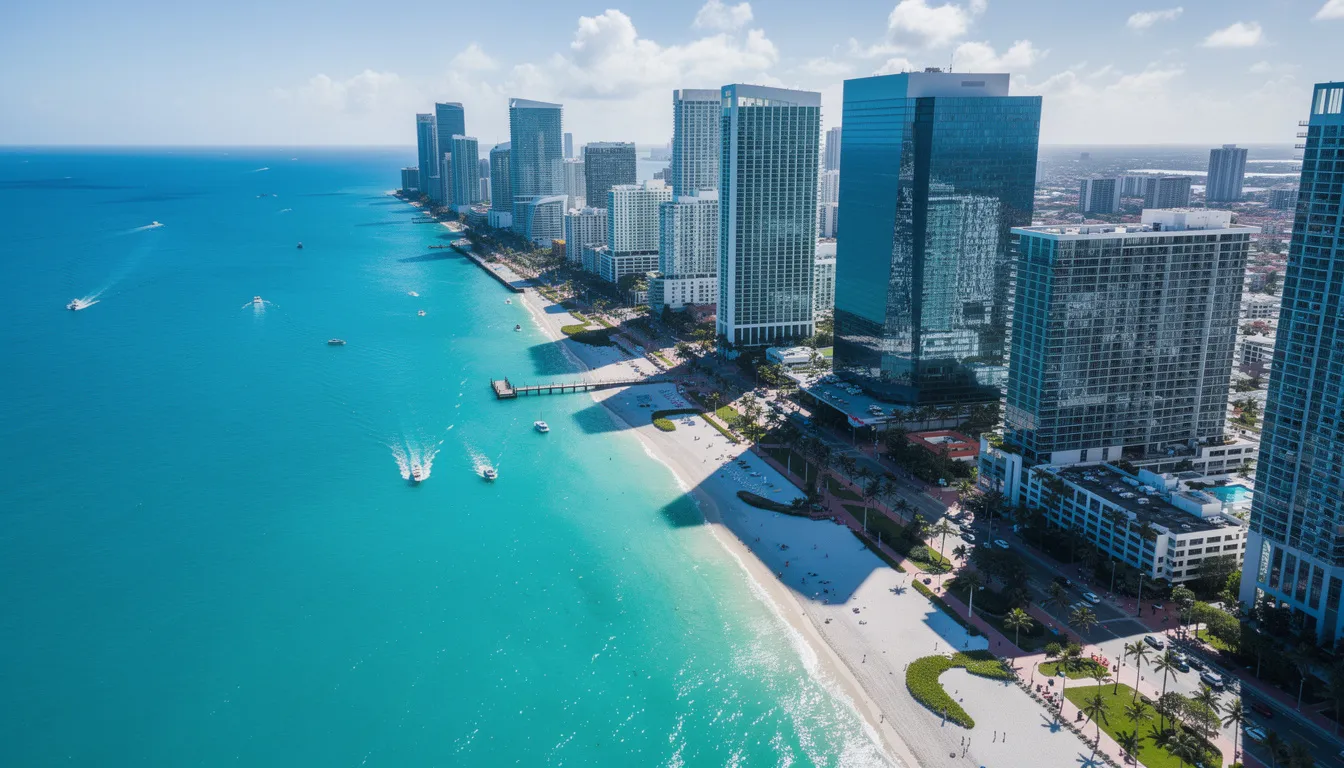
Why Florida Is a Strategic Real Estate Investment Location
Florida’s economy runs on more than beaches and retirees. The state operates as a diversified market spanning tourism, logistics, healthcare, aerospace, and finance. This diversification protects investors during sector-specific downturns.
Core advantages that make Florida a prime destination for real estate investment:
No state income tax on personal income or rental profits
Business-friendly policies that encourage corporate relocations
Major infrastructure investments in ports, highways, and airports
Year-round tourism from both domestic and international visitors
Florida’s lifestyle factors—warm climate, beaches, entertainment options—drive consistent demand from retirees, families, and digital nomads who choose to relocate permanently. This growing population supports both rental occupancy and resale liquidity, making it easier for investors to exit or refinance properties when needed.
Recent economic indicators strengthen the investment case:
Metric
Florida Performance
Job growth rate
Above national average
Unemployment
Below U.S. average
Corporate relocations
Strong inflow to Miami, Tampa, Orlando
These fundamentals translate directly into property values and steady demand for housing.
Vacation and Tourism-Driven Demand
Florida’s tourism engine powers one of the country’s strongest short-term rental markets. Disney World, Universal Studios, cruise hubs in Miami and Port Canaveral, and beaches from Miami to Sarasota draw tens of millions of visitors annually.
Orlando and Miami regularly rank among top U.S. destinations by visitor count. This tourism volume supports strong nightly rates and high occupancy in markets including Orlando, Miami Beach, Fort Lauderdale, Tampa Bay, and the Florida Keys.
To capture this demand effectively, match property type to tourism niche:
Condos near convention centers for business travelers
Larger homes near Disney for families
Waterfront houses in the Keys for high-end vacationers
Palm Beach properties for high net worth individuals seeking luxury
Cultural Diversity and In-Migration
Florida hosts large communities from Latin America, the Caribbean, the Northeast U.S., and Europe. This diversity broadens the rental demand base across multiple property types.
Markets exist for:
Multifamily workforce housing
Student rentals near universities
Luxury units in urban cores
Single-family homes in suburban areas
Bilingual and multicultural communities in Miami, Orlando, and Tampa attract international investors comfortable buying and renting in Florida. This foreign capital adds another demand layer that many domestic markets lack.
Continuous in-migration from high-cost states supports stable occupancy and rent growth even when national markets slow. New residents consistently fill vacancies, reducing the risk of extended vacancy periods.
Affordability, Wages, and Job Market
While some Florida metros have become expensive, overall cost of living in many submarkets remains competitive compared to major coastal cities like New York, Los Angeles, and San Francisco.
Florida’s median household income, combined with lower income tax burden, allows tenants to afford rising rents in many markets
The booming job market spans hospitality, growing tech hubs in Miami and Orlando, logistics and defense in Jacksonville and Tampa, and medical research across various metros
Investors should target metros and neighborhoods where job growth and wage increases can support future rent adjustments without causing high vacancy rates. A strong job market translates directly into strong rental demand.
Legal and Regulatory Considerations for Florida Investors
Legal planning in Florida is crucial because landlord-tenant rules, short-term rental ordinances, and liability exposure vary widely by city and county. What works in Jacksonville may violate regulations in Miami Beach.
This section provides high-level guidance, but investors should always consult a Florida real estate attorney and tax professional before closing on any florida investment property.
Key areas requiring legal attention:
Statewide landlord-tenant laws and eviction procedures
Homestead rules affecting primary residences
County-level property taxes and millage rates
Local code enforcement practices
Out of state investors and foreign buyers must account for U.S. federal tax obligations in addition to Florida-specific rules affecting their chosen strategy, whether flipping, long-term hold, or term rental operations.
Choosing the Right Ownership Structure
Most real estate investors use LLCs for liability protection when acquiring investment properties. Here are the main options:
Structure
Key Benefit
Common Use
Individual ownership
Simplest setup
Small-scale investors, low risk tolerance
Florida LLC
Liability protection, pass-through taxation
Most rental property investors
Corporation
Formal structure, potential tax benefits
Larger operations
Land trust with underlying LLC
Privacy + protection
Investors seeking anonymity
LLCs separate personal and investment assets, shielding owners from lawsuits tied to property accidents, tenant claims, or contract disputes. This protection can make all the difference when a guest injury or tenant dispute escalates.
Entity choice has tax consequences: pass-through taxation with LLCs versus corporate taxation with C-corps. Coordinate structure decisions with your CPA before closing.
Investors interested in building portfolios should consider separate LLCs or series structures to prevent one incident from affecting their entire holdings.
Tax Obligations and Incentives
Florida has no personal income tax, so rental income is not taxed at the state level. This is a significant advantage over states like California or New York where state taxes can consume 10%+ of profits.
However, investors still owe federal income tax on net rental profits. Don’t confuse “no state tax” with “no tax.”
Property taxes in Florida:
Rates vary by county, typically ranging from 0.7% to 1.2% of assessed value
Millage rates differ significantly between counties
Properties may be reassessed after purchase, potentially increasing tax burden
Transient rental tax for short-term stays (under 6 months):
State 6% sales tax applies
Additional county and city tourist development taxes often add 4%–7%
Total tax burden on short-term rentals frequently reaches 10%–13%
Investors can benefit from depreciation, mortgage interest deductions, and expense write-offs. A knowledgeable tax advisor familiar with real estate investment opportunities can structure holdings to maximize these benefits.
Short-Term Rental Laws and Local Regulations
Florida permits vacation rentals statewide, but cities and counties regulate them heavily—especially in tourist-heavy zones and condo buildings.
Examples of local variation:
Miami Beach: Strict noise limits, minimum-stay requirements, mandatory registration and licensing
Orlando/Kissimmee (near Disney): More permissive rules, though HOA restrictions may apply
Coastal towns: Mixed regulations varying block by block
Before assuming you can operate Airbnbs or VRBO rentals, verify:
Current city ordinances for your specific address
HOA bylaws if applicable
Condo association rules and rental restrictions
Enforcement consequences are real: fines, forced shutdown of rental operations, or legal action if owners ignore registration, zoning, or safety requirements. A promising investment can become a liability overnight.
Step-by-Step Process to Buy an Investment Property in Florida
This section provides a practical, ordered checklist for acquiring Florida investment property in 2026—from market selection to closing.
The sequence:
Define your strategy
Pick your market
Analyze deals
Line up financing
Perform due diligence
Close and set up management
Every step should be documented: financial projections, inspection reports, insurance quotes, and legal reviews. This documentation protects you and provides essential records for future refinancing or sale.
Build a Florida-specific team before you need them:
Real estate agent experienced with investors
Property management company
Local lender familiar with investment loans
Real estate attorney
CPA with investor clients
Insurance broker
Licensed inspector
1. Clarify Your Strategy and Budget
Before looking at properties, decide your approach:
Long-term rentals: 12-month leases, stable monthly income
Short-term vacation rentals: Higher potential income, more management intensity
Mid-term rentals: Corporate housing, travel nurses (30–90 day stays)
Flips: Buy, renovate, sell for profit
Your strategy drives market and property choice. A vacation home near Disney World requires different analysis than a duplex in Jacksonville.
Set clear parameters:
Purchase price range based on available capital
Down payment amount (typically 20%–25% for investment property)
Repair and renovation budget if pursuing value-add
Target returns: cash-on-cash return, cap rate, DSCR thresholds
Use conservative assumptions for vacancy, maintenance, and insurance given recent premium increases and weather-related claims in Florida. Optimistic projections kill profits.
2. Select the Right Florida Market and Neighborhood
Narrow markets by comparing data across Miami, Tampa, Orlando, Jacksonville, Fort Lauderdale, and smaller cities like Cape Coral or St. Petersburg.
Evaluation criteria:
Factor
What to Check
Rent levels
Current listings, recent lease comps
Job growth
Major employer presence, sector diversification
Regulations
STR rules, landlord-friendly laws
Entry costs
Median prices, acquisition costs per deal
Future growth
Infrastructure projects, population trends
Drill down to neighborhood-level statistics. Look at:
Rent comps from property management companies
Crime rates and safety data
School ratings (affects family rental demand)
Walkability and proximity to employers or tourist sites
Visit in person when possible. Street-by-street conditions matter, especially in older housing stock or areas undergoing gentrification. Photos don’t capture neighborhood dynamics.
3. Analyze Deals and Run the Numbers
Estimate rental income using current comparable listings and recent leases—not optimistic projections or outdated estimates.
Main expense categories to model:
Mortgage payment (principal + interest)
Property taxes (verify county millage rates)
Insurance (including wind and flood where applicable)
Utilities if owner-paid
Maintenance and repairs (budget 5%–10% of rent)
HOA or condo fees
Property management fees (typically 8%–12% for long-term, 20%–30% for short-term)
Key metrics to calculate:
Metric
Target Range (Florida 2026)
Cap rate
5%–8% in most submarkets
Cash-on-cash return
6%–10% for cash flow investors
DSCR
1.1–1.25 minimum for lenders
Break-even occupancy
Below 70% for cushion
4. Secure Financing
Common funding options for Florida real estate:
Conventional investment property loans
20%–25% down payment required
Competitive interest rates for strong credit
Full income documentation needed
DSCR loans
Qualification based on property rental income
DSCR thresholds typically 1.1–1.25
Less emphasis on personal income documentation
Useful for investors with multiple properties or self-employment income
Florida Realty Investments and similar lenders specialize in these products
Private/hard money and bridge loans
Fast funding for competitive situations
Higher interest rates (10%–15%+ typical)
Shorter terms (6–24 months)
Useful for rehabs and flips requiring quick closes
Equity from existing properties
Cash-out refinances tap accumulated equity
HELOCs on primary residence provide flexible capital
Allows portfolio growth without new outside capital
Florida lenders may have specific requirements for condos, flood zones, and investor-owned buildings affecting loan-to-value and interest rates. Get pre-approved before making offers.
Out of state investors and foreign buyers often face higher down-payment requirements or additional documentation hurdles.
5. Conduct Thorough Due Diligence
Essential inspections:
General home inspection (structural, electrical, plumbing, HVAC)
4-point inspection (roof, electrical, plumbing, HVAC age and condition)
Wind mitigation report (can reduce insurance premiums significantly)
Roof inspection if concerns exist
Termite and moisture inspection (critical in Florida’s climate)
Documentation to review:
Title search for liens, encumbrances, ownership history
Survey confirming boundaries and easements
HOA or condo association rules, budgets, and meeting minutes
Special assessments (current and pending)
Rental restrictions in governing documents
Obtain binding insurance quotes before removing contingencies. Florida insurance markets have tightened, and some properties are difficult or expensive to insure. Know your costs before you’re committed.
6. Close, Set Up Management, and Launch
Florida closings typically involve a title company or attorney. Documents can often be signed remotely, with funds wired into escrow.
Have property management lined up before closing—especially for:
Out-of-state owners who can’t respond to emergencies
Short-term rentals needing guest turnover services
Properties requiring immediate tenant placement
Pre-launch checklist:
Apply for required business licenses
Complete rental registrations with city/county
Set up tax accounts for transient rental tax collection
Establish bank accounts for property finances
Configure listing profiles if doing vacation rentals
Document property condition with photos/video
Common Mistakes Florida Real Estate Investors Should Avoid
Even experienced investors make costly errors in Florida’s unique market. This section covers the most expensive mistakes that frequently reduce profits or create legal headaches.
The main categories:
Entity and asset protection failures
Underestimating insurance and climate risk
Ignoring local rental rules
Overleveraging in volatile markets
Treat Florida as a professional business environment, not just a vacation destination. Disciplined underwriting standards separate profitable investors from those who lose money.
Skipping Proper Entity and Asset Protection
Buying in your personal name without an LLC or trust exposes all personal assets in a lawsuit. This risk is highest in:
High-traffic short-term rentals where guest injuries occur
Multifamily buildings with multiple tenant exposure points
Properties with pools, docks, or other attractive nuisances
Setting up an LLC before closing is straightforward and relatively low cost compared to potential liability. Florida LLC formation costs a few hundred dollars and can be completed in days.
Coordinate entity ownership with insurance coverage. Umbrella policies add another protection layer for serious investors.
Underestimating Insurance and Climate Risk
Property insurance premiums in Florida—especially along the coast and in hurricane-prone zones—run significantly higher than other states. This directly affects net cash flow and can turn positive deals negative.
Before purchasing, check:
Flood zone maps (FEMA designations)
Windstorm risk ratings
Historical claim data for the property and area
Projected premium increases based on carrier filings
Consider newer, code-compliant construction or climate-resilient builds where possible. Properties built to post-2002 building codes often qualify for insurance discounts and face lower long-term risk.
Low inventory of well-insured properties means competition for them is fierce.
Overlooking Local Zoning, HOAs, and Rental Rules
Assuming rentals are allowed everywhere is a common and expensive mistake. Some condos and HOAs completely ban short-term rentals. Others impose minimum lease terms of 6 or 12 months.
Cities periodically update zoning and short-term rental rules. Verify regulations close to purchase time and monitor changes annually.
Potential consequences of non-compliance:
Daily fines accumulating into thousands
Legal action from HOA or city
Forced sale or inability to rent as planned
Negative cash flow on a property that looked profitable
Overleveraging and Ignoring Cash Reserves
Thin cash cushions create vulnerability in a state where hurricanes, condo special assessments, and emergency repairs can be sudden and costly.
Recommended reserves:
6 months of expenses per property (mortgage, taxes, insurance, utilities, management)
Additional repair fund for older properties
Hurricane deductible amount (often 2%–5% of insured value)
Stress-test every deal for:
Extended vacancies (what if 3 months empty?)
Rent decreases (what if market softens 10%?)
Interest rate hikes if using adjustable-rate or bridge financing
Conservative leverage protects long term value and investor sleep.
Long-Term vs. Short-Term Rentals in Florida
Both rental models can generate strong returns in Florida, but they have different regulatory, operational, and risk profiles. Your choice depends on capital, risk tolerance, time commitment, and target location.
Match rental strategy with local demand drivers:
Year-round jobs and universities favor long-term rentals
Tourism and events favor short-term rentals
Some markets support both strategies simultaneously
Investing in Long-Term Rentals
Long-term rentals involve 12-month or longer leases, common in suburban neighborhoods, workforce housing areas, and locations near major employers or universities.
Benefits:
Predictable monthly rental income with consistent cash flow
Lower turnover costs (no weekly cleaning, guest supplies)
Simpler management structure
Fewer regulatory hurdles than short-term rentals
Longer term rentals provide stability during market fluctuations
Challenges:
Florida landlord-tenant law includes specific notice requirements and eviction procedures
Property wear and tear accumulates between tenant turnovers
Slower ability to adjust rents in soft markets
Tenant defaults require legal process to resolve
Strong markets for long-term rentals:
Jacksonville (affordability attracts workforce tenants)
Tampa suburbs (job growth supports demand)
Orlando suburbs (service industry workforce)
Inland cities with growing job bases
Investing in Short-Term and Vacation Rentals
Short-term rentals are properties rented by the night or week through platforms like Airbnb and VRBO. Common locations include Orlando, Miami Beach, Fort Lauderdale, Clearwater, and the Florida Keys.
Benefits:
Potentially higher gross income versus long-term leases
Ability to adjust nightly rates based on season and events
Personal use opportunities for investors wanting vacation homes
Cape Coral, for example, averages 12.77% gross yield on vacation rentals during high season
Challenges:
Stricter licensing and zoning requirements
Higher cleaning and management costs (20%–30% of revenue)
Volatile income due to seasonality and competition
Greater exposure to guest-damage risk
Platform fees and transient taxes reduce net income
Model both low and high occupancy scenarios. Factor in all platform fees, cleaning costs, and taxes. Consider professional vacation rental management for remote owners—the operational demands of short-term rentals exceed what most out-of-state investors can handle effectively.
Financing and Maximizing Returns on Florida Investment Property
The right financing and management approach can significantly improve returns, even in markets with rising home prices and insurance costs. This section outlines popular financing tools and practical tips to boost cash flow and long term growth.
Note that lending standards may differ for condos, especially in older buildings. Following recent building safety reforms, lenders scrutinize reserve funding and structural assessments more carefully.
Common Ways to Finance Florida Investment Properties
Conventional 30-year fixed loans
Standard investment property financing
Typical down payment: 20%–25%
Requires strong credit (usually 680+ for best rates)
Full income documentation and debt-to-income ratios apply
DSCR loans
Qualification based on property rental income
DSCR thresholds typically 1.1–1.25
Less emphasis on personal income documentation
Useful for investors with multiple properties or self-employment income
Florida Realty Investments and similar lenders specialize in these products
Private/hard money and bridge loans
Fast funding for competitive situations
Higher interest rates (10%–15%+ typical)
Shorter terms (6–24 months)
Useful for rehabs and flips requiring quick closes
Equity from existing properties
Cash-out refinances tap accumulated equity
HELOCs on primary residence provide flexible capital
Allows portfolio growth without new outside capital
Tips to Maximize ROI in Florida’s 2026 Market
Focus on growth drivers Target areas with strong job growth, infrastructure projects, or tourism expansion. New tech corridors, port expansions, and theme park developments create demand that supports both property appreciation and rent increases.
Pursue value-add strategies
Modest cosmetic renovations (paint, flooring, fixtures)
Adding bedrooms or bathrooms where layout permits
Converting garages or bonus spaces to livable area (verify zoning)
Upgrading energy efficiency to justify premium rents
Use professional management Property management pays for itself through reduced vacancies, faster maintenance response, and regulatory compliance. For out-of-state owners, professional management isn’t optional—it’s essential. Fees of 8%–12% for long-term and 20%–30% for short-term rentals are standard.
Monitor costs annually
Review insurance renewal quotes and shop competitors
Appeal property tax assessments if valuations seem inflated
Adjust rents gradually to match market conditions
Track operating expenses to identify cost reduction opportunities

Final Thoughts
Florida’s real estate market in 2026 rewards investors who approach it with discipline and realistic expectations. The explosive appreciation of 2021–2022 has moderated, but the fundamentals remain strong: continued population growth, no state income tax, diversified employment, and persistent rental demand.
Success requires more than picking the right location. You need proper legal structures, accurate financial analysis, adequate reserves, and professional management systems. The investors who treat Florida real estate options as a serious business—not a passive income fantasy—will continue building wealth in this market.
Start by clarifying your investment goals and building relationships with Florida-based professionals who understand local nuances. Run conservative numbers on multiple properties before committing capital. And maintain the discipline to walk away from deals that don’t meet your criteria, no matter how attractive the location seems.
The opportunity is real. The question is whether you’ll execute with the rigor that profitable investing demands.
FAQ
Is it still worth investing in Florida real estate in late 2026 if I’m a first-time investor?
Yes, it can still be worthwhile, especially in affordable metros like Jacksonville, Cape Coral, and certain Tampa and Orlando suburbs. New investors should prioritize conservative deals with positive cash flow after realistic insurance and property taxes costs. Start with simpler long-term rentals before attempting short-term vacation homes. The key is running accurate numbers rather than relying on appreciation assumptions.
How much money do I need to start investing in Florida property?
For a typical investment property loan, buyers need at least 20%–25% down plus closing costs and reserves. For a $360,000 property in 2026, expect to bring $82,000–$105,000 in total cash to close safely and maintain adequate reserves. Smaller condos, partnerships, or house-hacking strategies can reduce this amount, but thin capitalization creates significant risk.
Can I manage a Florida rental property remotely from another state?
Remote management is common for both vacation rentals and long-term units. Success requires hiring a reputable local property manager, establishing clear communication systems, and occasionally visiting the property to verify condition and operations. Budget 8%–12% of rent for long-term management or 20%–30% for short-term vacation rental services.
What kind of insurance should I carry on a Florida investment property?
Beyond standard landlord or dwelling policies, many investors need windstorm coverage, flood insurance if in designated zones, and a personal or commercial umbrella policy. Compare quotes from multiple insurers since premiums vary widely by county and building type. Properties built to newer codes often qualify for significant discounts. Budget insurance costs conservatively—they’ve risen dramatically in recent years.
How do hurricanes affect real estate investing in Florida?
Hurricanes can disrupt short-term rental income and cause property damage, but modern building codes and resilient construction mitigate risks in many areas. Focus on properties built to post-2002 codes, maintain adequate reserves for deductibles (often 2%–5% of insured value), carry appropriate insurance, and understand evacuation and recovery procedures. Well-prepared investors treat hurricane risk as a manageable business expense rather than a reason to avoid the market entirely.

