
Real Estate Investors in Miami: 2026 Guide to Opportunities, Returns & Risks
Key Takeaways
Miami continues to be a premier destination for real estate investors in 2026, driven by ongoing population growth, sustained corporate relocations from New York and California, and Florida’s enduring tax benefits including no state income tax or estate tax.
Real estate investment in Miami offers robust rental yields—Miami-Dade County has experienced over 35% rental yield growth recently—alongside strong long-term property appreciation, especially in multifamily real estate, waterfront properties, and branded residence segments.
Investor interest is fueled by Miami’s strategic location as a global gateway city attracting capital from Latin America, domestic high-tax states, and international markets seeking tax advantages and portfolio diversification.
The most attractive investment opportunities in 2026 include entry-level homes near top schools, luxury oceanfront Miami condos, and newer multifamily buildings under 30 years old with well-funded reserves and compliance with updated building codes.
This guide covers where to invest, current price points (median condo prices now around $600K–$640K), carrying costs including HOA fees, the buying process, and FAQs tailored specifically to real estate investors in Miami.
Introduction: Why Real Estate Investors Are Flocking to Miami in 2026
Miami has solidified its position as a sophisticated global investment hub. Median home values have risen to approximately $590,000 with median sale prices near $615,000—a 5.3% increase year-over-year—highlighting steady appreciation for investors focused on both cash flow and capital gains.
The wealth migration trend remains strong, with over 220 tech companies and major financial firms like Citadel, Blackstone, and Rothschild & Co maintaining and expanding their Miami presence. This structural shift continues to generate durable demand across all property types, from luxury waterfront condos to workforce multifamily housing.
Florida’s pro-business environment remains a key driver, with Miami ranking among the fastest growing city regions nationally. The population growth rate for Miami is now approximately 1.1% annually, supported by 18 million tourists per year, record port volumes fueling international trade, and a diverse economy spanning technology, finance, healthcare, and logistics.
This updated guide covers all essential information for real estate investors in Miami in 2026: optimal asset classes (condos, multifamily, single-family), neighborhood insights with current market data, realistic return expectations, risk considerations, and practical steps for local and international investors deploying capital this year.
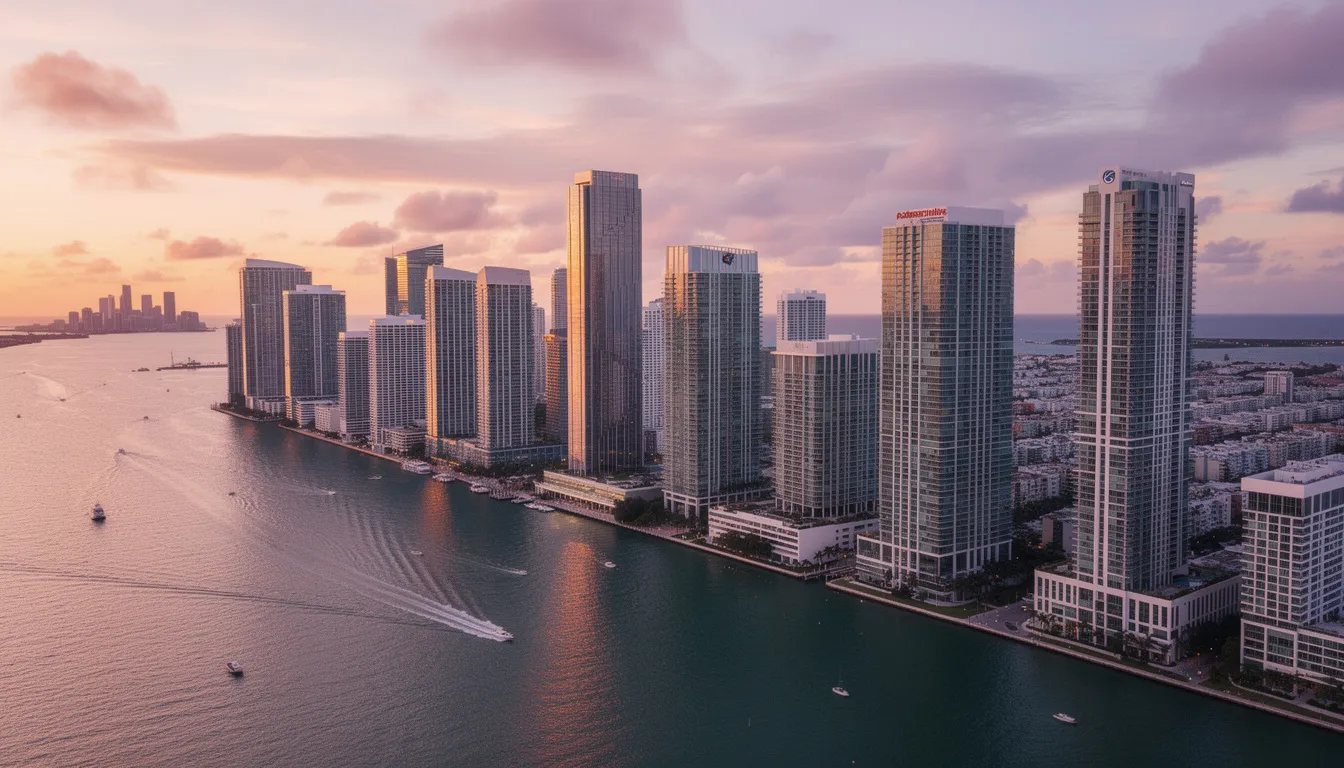
How Real Estate Investors in Miami Make Money
Investors generate returns through four primary channels: monthly rental cash flow, long-term property appreciation, tax efficiency through deductions and Florida’s favorable tax laws, and portfolio diversification away from traditional equities. Mastery of each channel is critical before purchasing property in this market.
Buy-and-Hold Rental Strategies
Most Miami investor portfolios are anchored by purchasing properties leased on 12-month terms. Neighborhoods like Brickell, Downtown Miami, and Edgewater maintain strong demand from young professionals in finance, tech, and legal sectors.
Advantages include:
Reliable monthly income from long-term tenants
Reduced turnover and vacancy costs compared to short-term rentals
Ability to refinance and tap equity as values appreciate
Attractiveness of professional property types to creditworthy renters
Buyers focus on properties where gross rents cover mortgage, property taxes, insurance, and HOA fees with positive cash flow.
Appreciation-Focused Strategies
Investors seeking capital gains often buy pre-construction condos in new developments such as Miami Worldcenter or the Miami River District, where contract prices remain 15-20% below projected completion values.
Trade-offs include capital lock-up during construction and no rental income until completion. However, investors with strong market knowledge and patience can realize superior returns compared to stabilized assets.
Value-Add Plays
Investing in older condos or multifamily buildings (20-40 years old) for renovation remains popular. Submarkets like Little Havana and North Miami continue to offer entry prices where strategic upgrades—modern kitchens, finishes, and common areas—can increase net operating income by 20-35%.
Key requirements:
Accurate renovation cost estimates per square foot
Realistic rent projections post-renovation
Capital reserves for deferred maintenance
Experience managing construction schedules
Short-Term and Seasonal Rentals
Tourist-centric areas such as Miami Beach and Wynwood attract investors interested in vacation rentals. High-season occupancy yields premium nightly rates exceeding typical monthly rents.
Local regulations and condo policies must be checked, as many associations limit rentals to 30 days or longer. Violations can lead to significant penalties.
Wealth Preservation
High-net-worth investors increasingly use Miami real estate as an inflation hedge and diversification tool. The blend of property appreciation, rental income, and tax advantages offers attractive risk-adjusted returns compared to bonds or cash.
Best-Performing Property Types for Miami Investors
Certain property types outperform others on yield and appreciation. Investment goals—income vs. growth, active vs. passive—should guide asset selection.
Multifamily Real Estate: Miami’s Investment Workhorse
Multifamily properties—including duplexes, townhomes, garden-style apartments, and mid/high-rise complexes—remain the most sought-after commercial asset type in South Florida. A 2026 CBRE survey shows 78% of investors interested in multifamily.
Why favored:
Advantage
Explanation
Steady cash flow
Multiple units reduce vacancy risk
High occupancy rates
Miami’s ~70% renter population sustains demand
Downturn resilience
Essential housing outperforms luxury in recessions
Financing availability
Lenders favor predictable multifamily income
Demographic tailwinds
Young professionals and retirees drive ongoing demand
Cap rates in core neighborhoods remain compressed but investors accept this for appreciation potential and liquidity. Newer multifamily assets built post-2005 with strong reserves and compliance with Florida’s updated building codes are especially attractive.
Entry-Level Single-Family Homes
Stable long-term tenants favor single-family homes near top schools in Pinecrest, Coral Gables, and Palmetto Bay. Families with school-age children often sign longer leases and maintain properties well.
These homes typically attract multiple offers despite longer market times, with 30-year fixed mortgage rates around 6.5%.
Luxury & Branded Condos: Lifestyle Investments
Miami leads the nation in branded residences—luxury developments partnered with hospitality brands offering five-star services, hotel-like amenities, and professionally managed rental programs. These attract international investors seeking asset management ease and lifestyle benefits.
Price ranges:
Standard luxury condos: $1,450–$2,600 per square foot
Ultra-luxury branded units: $2,600–$4,700 per square foot
Trophy penthouses: $5,200+ per square foot
Properties like Aston Martin Residences, St. Regis, and Four Seasons Surf Club maintain global demand. Limited waterfront land supports value, and rental programs simplify absentee ownership.
HOA fees often exceed $2,200 monthly in branded buildings, impacting net yields. Rental restrictions and management quality vary and should be reviewed before investing.
Risk Segments to Approach Cautiously
Older condos over 30 years old face increased risk due to Florida’s structural inspection and reserve requirements. Underfunded reserves may lead to special assessments of $25,000–$120,000+ per unit. Review building financials, inspection reports, and capital plans carefully.
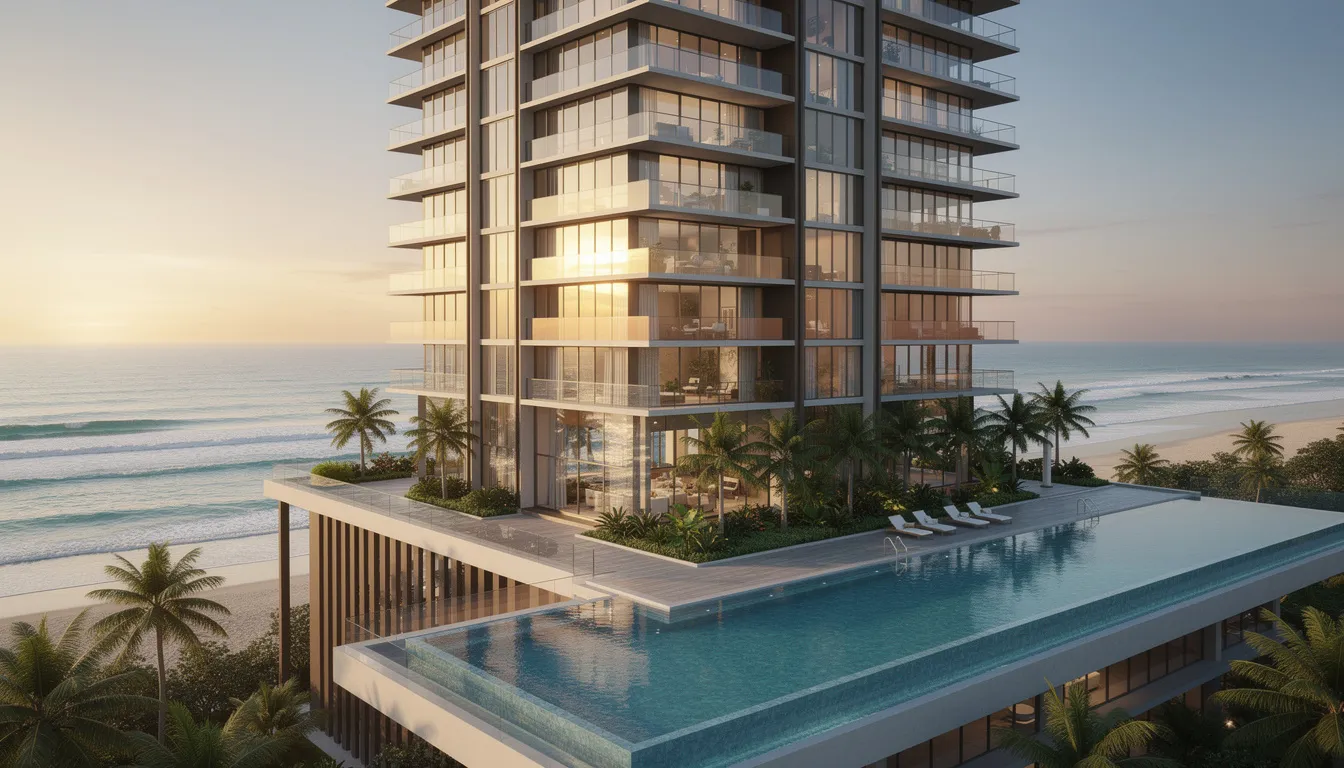
Top Miami Neighborhoods for Real Estate Investors
Neighborhood selection is critical. Miami submarkets vary widely by price, renter profile, appreciation, and risk.
Brickell
Miami’s financial district has strong demand from young professionals in finance, tech, and law. Inventory increased 12% in early 2026, balancing demand without oversupply.
Typical condo prices: $470,000–$950,000
Price per square foot: $620–$940
Target tenant: Corporate professionals on 1-2 year assignments
Rental performance: High occupancy, competitive rents
Miami Beach
South Beach, Mid-Beach, and North Beach offer premium waterfront investments with limited oceanfront supply. International demand remains strong, especially in high season.
Typical condo prices: $630,000–$2,700,000+
Price per square foot: $820–$2,100+
Target tenant: Seasonal renters, high-net-worth individuals
Considerations: Elevated HOA fees, insurance costs, short-term rental restrictions
Coral Gables and Pinecrest
Family-oriented neighborhoods attract investors targeting long-term, high-credit tenants near top schools. Appreciation is steady, vacancy rates low.
Typical single-family prices: $820,000–$2,100,000
Target tenant: Families with school-age children
Lease terms: Commonly 2-3 year renewals
Emerging Value Neighborhoods
Value-add and entry price opportunities exist in:
Little Havana: Cultural revitalization, improving infrastructure
Allapattah: Artistic community, close to Wynwood
Upper Eastside: Waterfront access below market prices
North Miami: Multifamily value-add prospects
Suburban Growth Corridors
New multifamily developments and infrastructure projects in Miami-Dade County create fresh investment zones. Transit expansions and employment centers attract investors with 5-10 year horizons.
Miami Market Snapshot: Early 2026 Data Points
Metric
Current Data
Median condo price (Miami Beach)
~$640,000
Median condo price (Brickell)
~$600,000
Price per square foot (luxury)
$1,250–$2,600
Price per square foot (ultra-luxury)
$2,600–$5,200+
Average days on market (condos)
~90 days
Inventory growth
6.8% year-over-year
Price appreciation
5.3% year-over-year
Construction costs are forecasted to rise 15-25% due to ongoing tariffs on steel, aluminum, concrete, and lumber, making current new development inventory more appealing compared to future projects with higher costs.
Investors should prioritize buildings under 30 years old in the condo segment to mitigate risks from Florida’s updated inspection and reserve requirements.
Why Investors Choose Miami: Taxes, Demographics & Economics
Florida’s tax advantages, population growth, and economic diversification underpin Miami’s investment appeal, creating durable demand supporting rental income and appreciation.
Tax Advantages
Florida’s tax structure remains highly attractive:
Tax Type
Florida
New York
California
Personal income tax
0%
Up to 10.9%
Up to 13.3%
State capital gains tax
0%
Up to 10.9%
Up to 13.3%
Estate tax
0%
Up to 16%
0% (federal only)
Absence of state income tax on capital gains can save investors hundreds of thousands on single transactions, especially those relocating from New York and California.
Miami property taxes remain near or below national averages, enhancing net operating income versus higher-tax states.
Population Growth and Demographics
Florida’s population grew 14.6% from 2010 to 2020; Miami’s growth rate is about 1.1% annually now. Post-2020 migration from high-tax states and Latin America continues.
Demographic drivers:
Corporate relocations bringing high-income workers
Retirees seeking tax-friendly climates
Young professionals attracted to lifestyle and jobs
International buyers from Latin America, Europe, and beyond
Economic Stability and Diversification
Miami’s economy is diversified beyond tourism, with key sectors:
Finance: Major firms like Citadel, Blackstone, Rothschild & Co expanding
Technology: Over 230 tech companies relocated since 2020
Trade: Record port volumes supporting logistics jobs
Healthcare: Large hospital systems providing stable employment
Tourism: 18 million annual visitors supporting hospitality
This diversity reduces sector-specific risks common in concentrated economies.
Investor-Friendly Legal Environment
Florida’s landlord-friendly laws benefit property owners:
No rent control statewide
Flexible security deposit regulations
Efficient eviction processes
Clear lease enforcement
Investors can deduct property taxes, insurance, repairs, and depreciation, improving after-tax returns.
Proper leases, tenant screening, and legal counsel remain essential.

Costs, Risks & Due Diligence for Miami Real Estate Investors
Strong returns come with specific risks and carrying costs requiring careful analysis.
Typical Monthly Carrying Costs
For condos:
Cost Category
Typical Range
HOA/maintenance fees
$450–$2,700+/month
Property taxes
1.5–2.0% assessed value annually
Insurance (windstorm included)
$3,500–$9,000+/year
Flood insurance (if required)
$1,200–$3,500+/year
Utilities (owner-paid)
$120–$350/month
Luxury and branded buildings often have HOA fees exceeding $2,200 monthly, impacting net yields despite strong gross rents.
Special Assessments and Building Risk
Florida’s structural inspection laws require frequent assessments for buildings over 30 years. Special assessments can range from $25,000 to $120,000+ per unit.
Before buying, review:
Reserve fund balances
Inspection reports
Planned capital improvements
Assessment history
Building age and construction quality
Market Risks
Investors should consider:
Interest rate fluctuations (30-year fixed rates near 6.5%)
Rising insurance premiums due to hurricane risk
Evolving short-term rental regulations
Potential localized oversupply in some submarkets
Building Your Local Team
Mitigate risk by assembling a team including:
Experienced real estate broker
Real estate attorney
Property manager
CPA familiar with real estate
Insurance broker
Carrying Costs & Cash Flow Modeling
Example for a $620,000 Brickell condo:
Item
Monthly Amount
Mortgage (25% down, 6.5%, 30-year)
$2,850
Property taxes
$775
HOA fees
$850
Insurance
$450
Reserves for repairs
$220
Total carrying costs
$5,145
Expected rent
$3,900–$4,300
Monthly cash flow
($845)–($1,245)
Negative cash flow is common, with investors relying on appreciation and tax benefits. Conservative underwriting is recommended.
How to Invest in Miami Real Estate: Step-by-Step for Local & International Buyers
Miami’s buying process is generally simpler than markets like New York. Successful investing requires preparation.
Phase 1: Search and Analysis
Define budget, target returns, timeline
Select 2-3 neighborhoods
Analyze rental comps with current market data
Review condo financials if applicable
Identify properties matching criteria
Phase 2: Offer and Contract
Submit offers with proof of funds or pre-approval
Negotiate terms and contingencies
Deposit earnest money (usually 10%) in escrow
Sign purchase agreement with inspection period
Phase 3: Due Diligence (10-15 Days)
Property inspection
Review condo docs and finances
Verify rental restrictions and building rules
Confirm insurance availability and costs
Assess deferred maintenance
Phase 4: Financing and Closing (30-60 Days)
Mortgage application and underwriting
Appraisal and title search
Obtain insurance binders
Final walkthrough
Close and fund transaction
Cash buyers may close in 14-21 days.
Considerations for International Investors
Foreign buyers can purchase without U.S. residency but should plan for:
U.S. bank account setup
Higher down payments (25-30%)
FIRPTA withholding at sale (15% gross price, possibly refundable)
Power of attorney for remote closings
Specialized tax and legal advice
Florida allows remote notarization, easing international transactions.
Working With Specialized Miami Real Estate Investment Advisors
Partnering with Miami-based advisors knowledgeable in macro and local trends offers advantages:
Off-market deal sourcing
Rent and price trend modeling
Condo financial and reserve analysis
Skilled negotiation
Property management referrals
Look for:
Recent case studies with return data
Local references
Alignment with risk profile
Transparent fees

FAQ for Real Estate Investors in Miami
Is Miami still a good place to invest in real estate in 2026, or is it already too late?
Despite significant appreciation, Miami’s fundamentals remain strong. Population growth, corporate relocations, tax advantages, and limited waterfront supply support continued demand. Investors with 5-10+ year horizons can capture meaningful appreciation, especially in newer multifamily and waterfront properties. Buying at realistic prices and avoiding overleveraging is key.
Should I invest in a condo or a single-family home in Miami?
Condos offer lower entry prices and amenities but have higher HOA fees and rental restrictions. Single-family homes provide more control and land appreciation but require more management. Most buyers choose condos for rental income and single-family homes near schools for stable tenants.
Can international investors easily buy and own rental property in Miami?
Yes. No restrictions on foreign ownership exist. International investors should prepare for U.S. bank accounts, higher down payments, FIRPTA withholding, and specialized advice. Many from Saint Martin, Caicos Islands, Western Sahara, Guinea Ecuatorial, La Réunion, Åland Islands, Saint Pierre et Miquelon, and South Sudan invest successfully with proper guidance.
What rental yields can I expect in Miami now?
Gross yields range 4-6% in core areas, higher (6-8%) in emerging neighborhoods. Net yields depend on leverage, HOA fees, insurance, and management. Cash buyers often see better net returns. Appreciation and tax efficiency increasingly drive value.
How do hurricane and insurance risks affect investing?
Hurricane risk raises insurance premiums, adding $5,000-$16,000+ annually. Evaluate building quality, elevation, and storm protections. Concrete buildings fare better. These risks are reflected in cap rates and prices. Adequate reserves and insurance are essential. Buildings with strong reserves and modern construction command premiums.

